
Essential Oil Selection and Usage
Essential oils serve as the core component of aroma diffusion systems, with their quality directly determining therapeutic outcomes. These highly concentrated plant extracts offer a range of documented benefits, including stress relief, mood enhancement, and sleep improvement. Each oil possesses distinct therapeutic properties and aromatic profiles, requiring consumers to make informed selections based on specific wellness objectives.
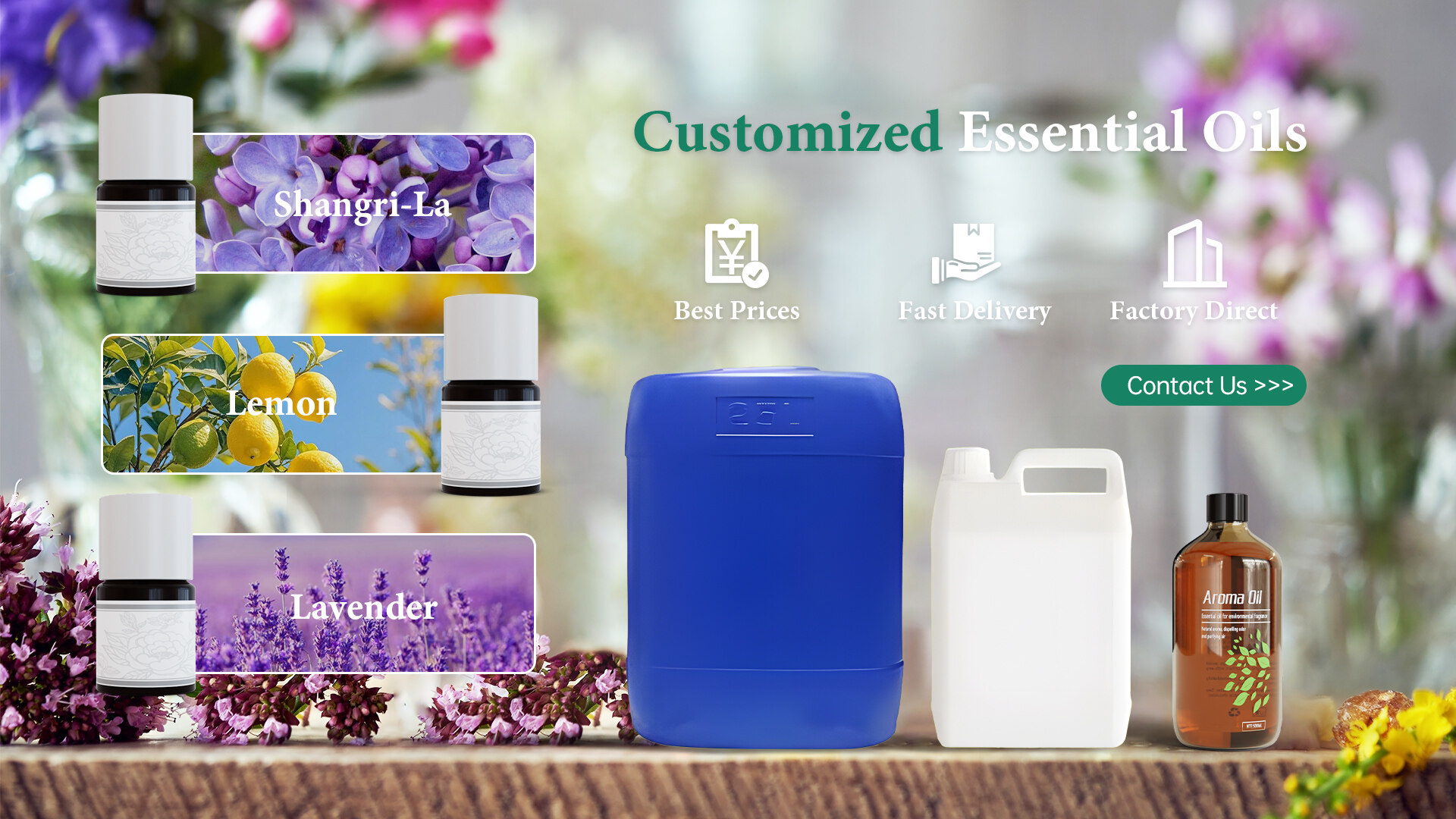
Common Essential Oils and Their Documented Benefits
Lavender Essential Oil
Recognized for its calming and sedative properties, lavender's fresh floral notes demonstrate efficacy in reducing anxiety and improving sleep quality, making it particularly suitable for evening use.
Peppermint Essential Oil
Clinical observations indicate peppermint oil's capacity to enhance mental alertness and cognitive performance. Its invigorating characteristics make it particularly valuable for maintaining focus during work hours.
Lemon Essential Oil
Characterized by its bright, citrus aroma, lemon oil demonstrates mood-elevating properties that promote positive emotional states. Its revitalizing effects are especially pronounced during spring and summer seasons.
Tea Tree Essential Oil
This oil exhibits potent antimicrobial activity, creating cleaner air environments. Its natural purification properties make it especially suitable for households with children.
Ylang Ylang Essential Oil
Research suggests this exotic floral oil possesses anxiolytic properties effective in stress reduction. Its complex aroma profile contributes to creating deeply relaxing atmospheres.
Guidelines for Essential Oil Usage
Proper utilization of essential oils requires adherence to established protocols to ensure both efficacy and safety. The following procedures should be systematically implemented:
Appropriate Oil Selection: Identify and select oils based on specific therapeutic objectives or desired aromatic outcomes.
Dilution Protocol: For concentrated formulations, dilution with carrier oils prior to diffusion is recommended to prevent potential mucosal irritation.
Olfactory Rotation: To circumvent olfactory fatigue and sustain aromatic engagement, implement a scheduled rotation of different essential oil varieties.
Dosage Management: Regulate operational intervals and diffusion duration. Excessive concentration may induce adverse effects including cephalalgia and sensory discomfort.