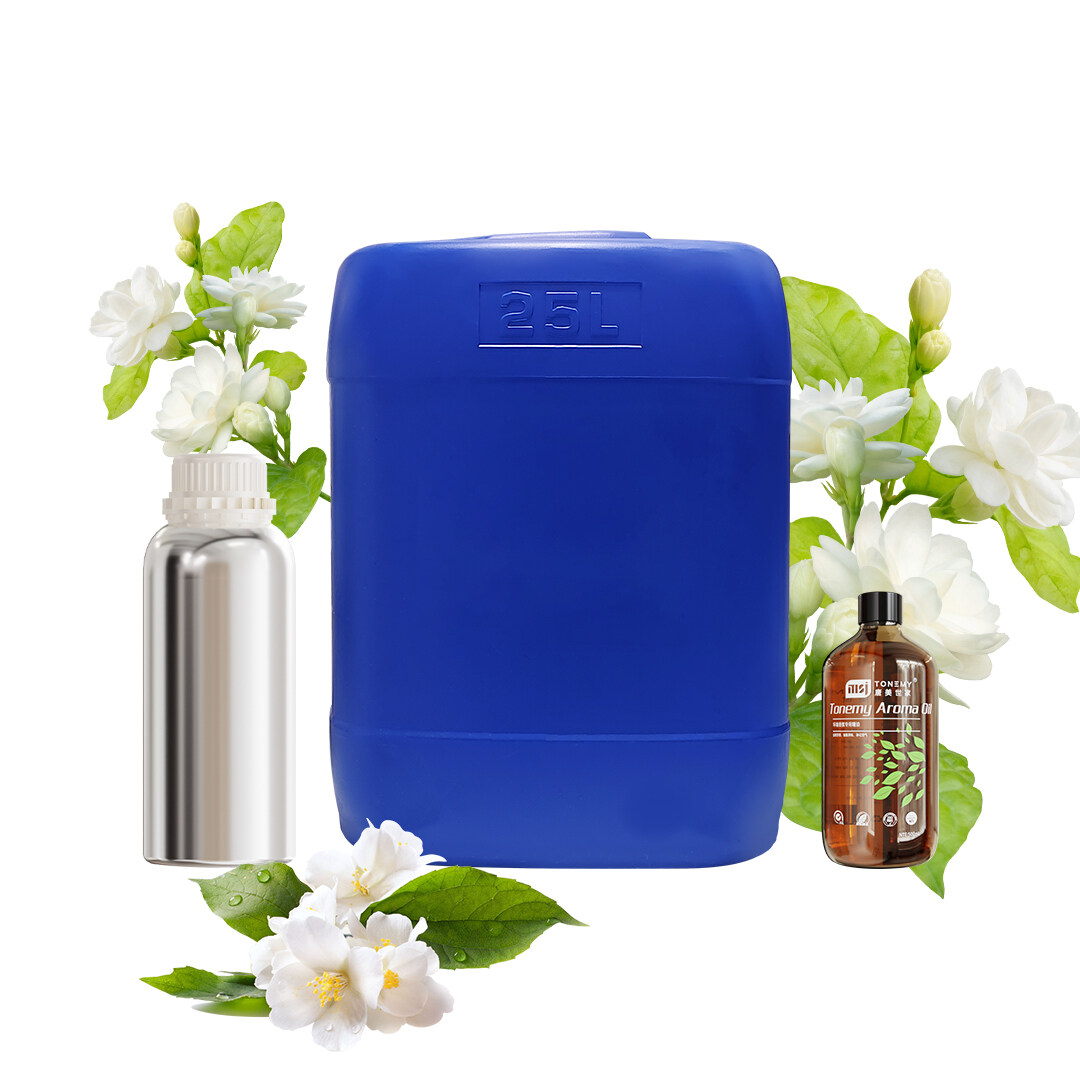

Where do Perfumers get their ingredients?
Perfumers get their ingredients from a variety of sources, depending on the specific scent they are trying to create.
Some common sources of perfume ingredients include:
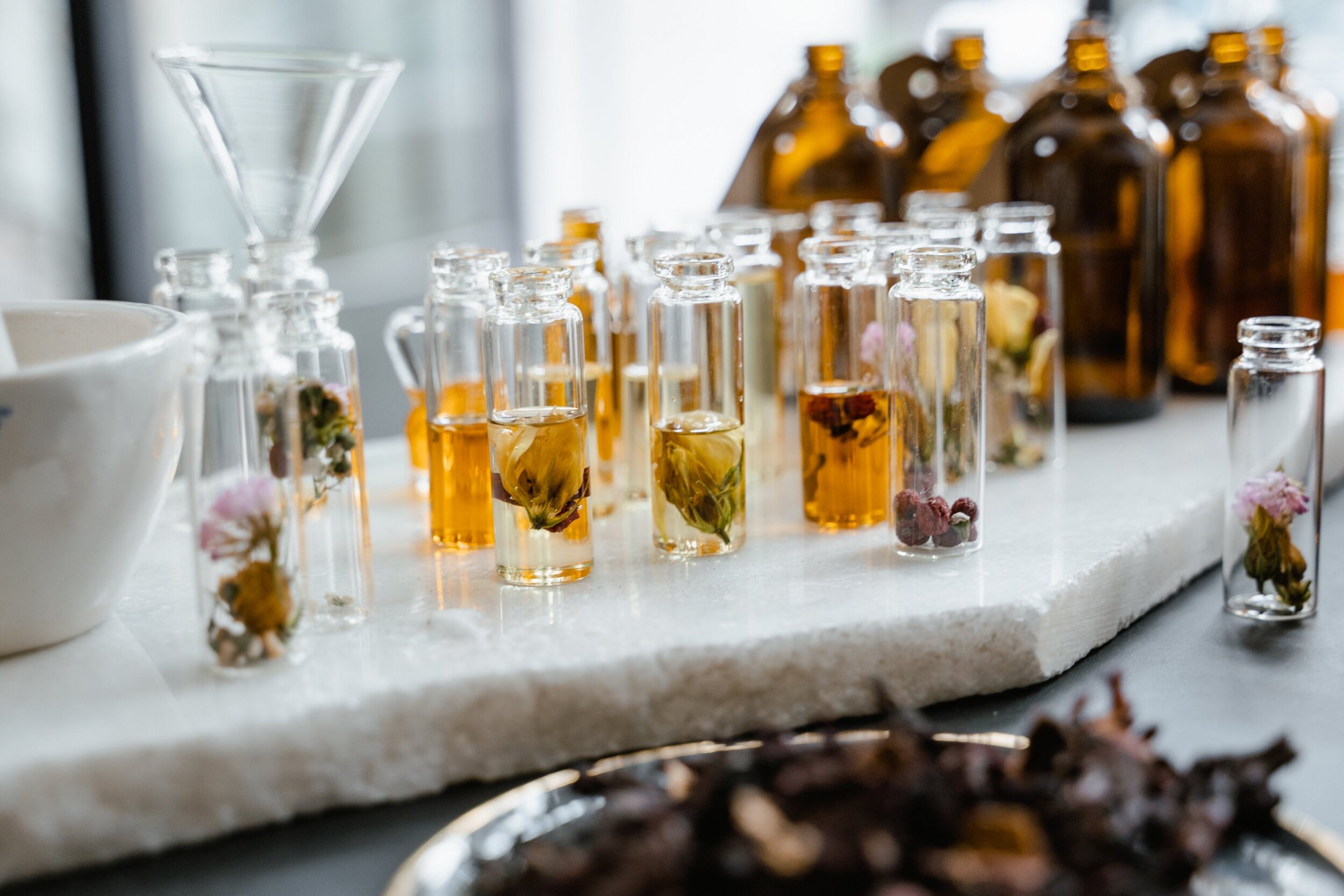
1. Plants and flowers: Many perfumes contain essential oils extracted from plants and flowers. These oils are often obtained through processes like steam distillation or cold pressing.
2. Fruits: Some perfumes include ingredients derived from fruits such as citrus, berries, or apples. These fruity scents can add a fresh and sweet note to the perfume.
3. Woods and resins: Perfumers also source ingredients from woods like sandalwood, cedarwood, or oud, as well as resins like frankincense and myrrh. These ingredients can give a perfume a warm, earthy, or smoky quality.
4. Animal-derived ingredients: While less common now due to ethical concerns, some perfumes may contain ingredients like musk (originally derived from musk deer), ambergris (from sperm whales), or civet (from civet cats).
5. Synthetic compounds: In modern perfumery, many ingredients are synthesized in laboratories to replicate natural scents or create new, unique fragrances. These synthetic compounds can offer a wide range of scent profiles and are often more cost-effective than natural ingredients.
Overall, perfumers carefully select and blend ingredients from various sources to create complex and harmonious scent compositions that appeal to different preferences and sensibilities.