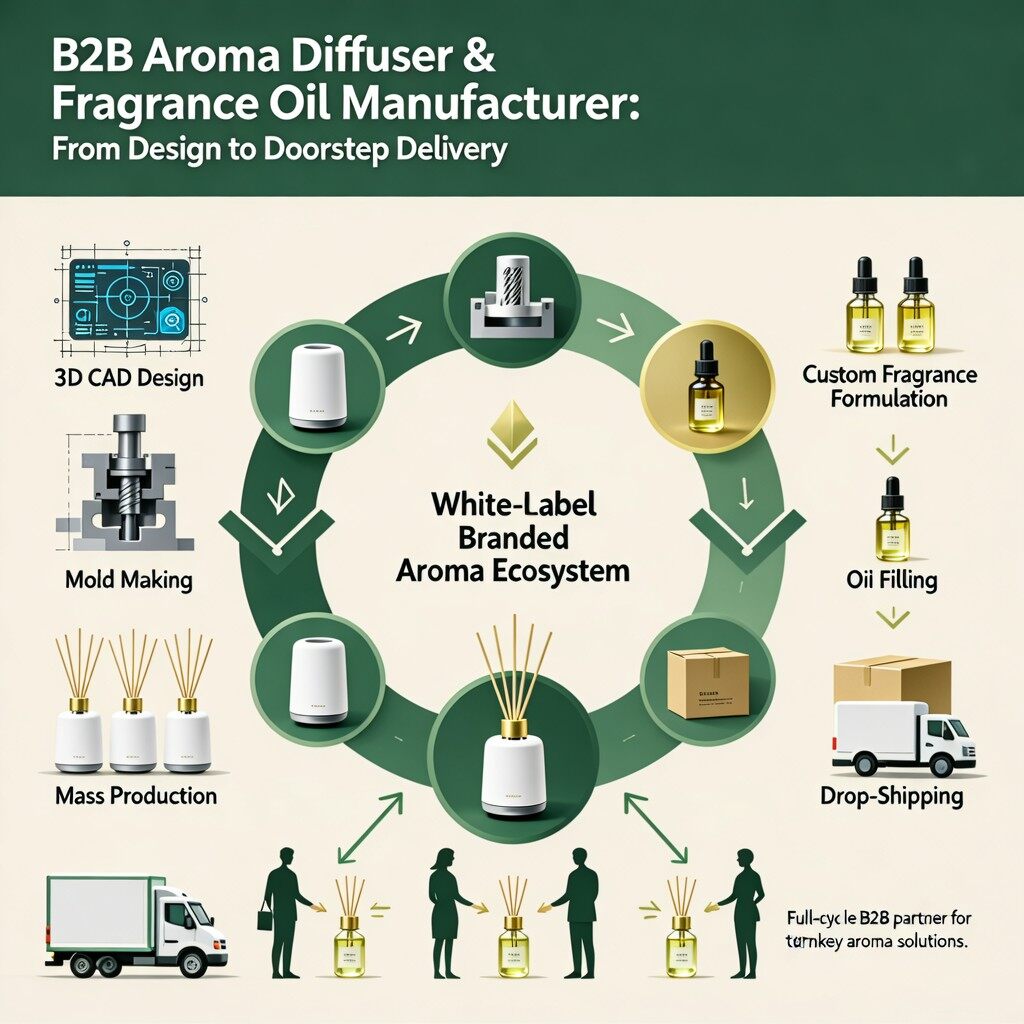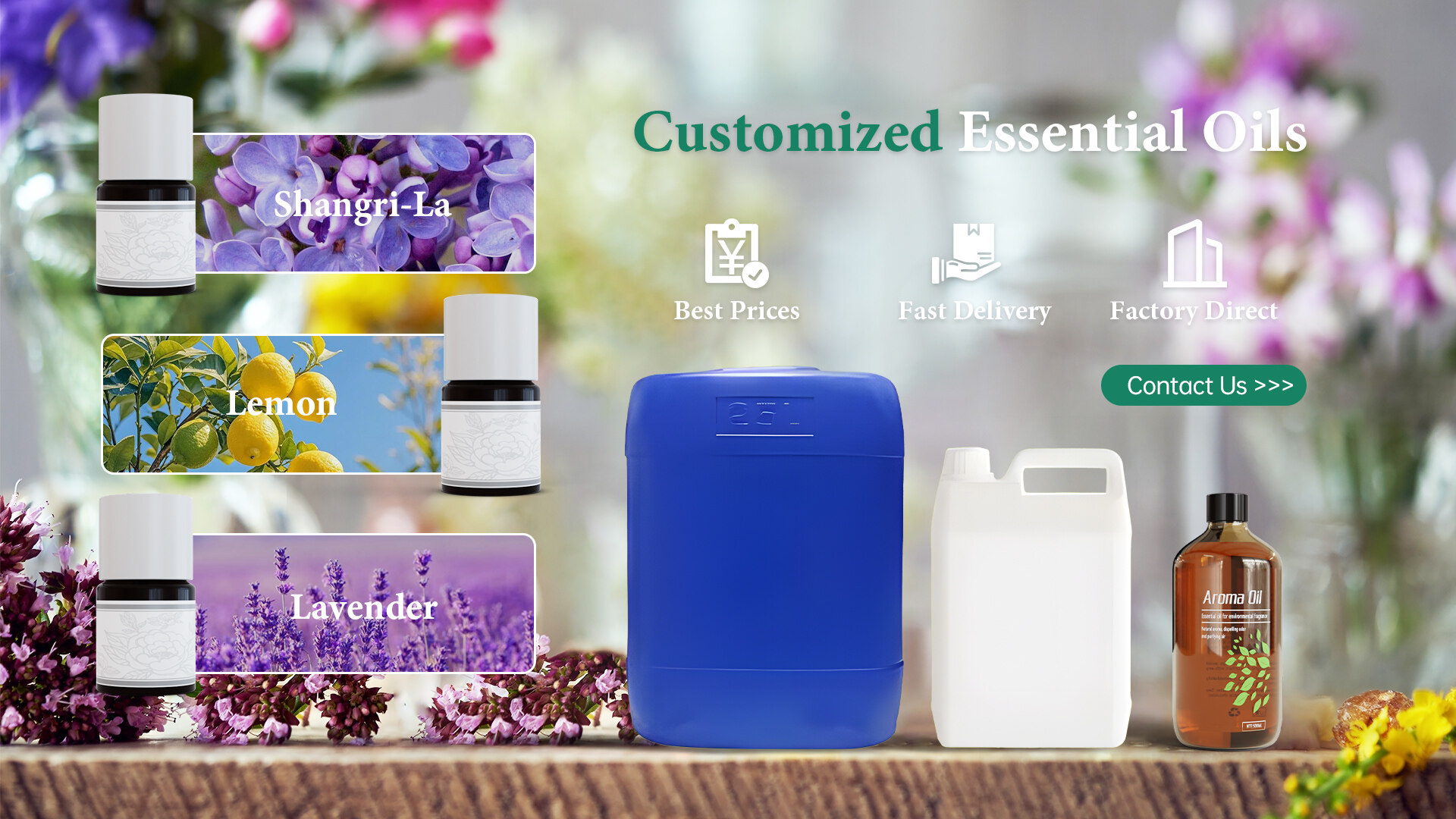
Here's a comprehensive guide on how to Custom private labeling involves several key steps to create a product

### 1. Market Research
- **Identify: ** Determine what type of product you want to private label. This should be based on market demand and your target audience.
- **Competitor Analysis:** Competitors to understand their offerings, pricing, and market positioning.
### 2. Select a Manufacturer
- **Find Reputable Manufacturers:** Looking for manufacturers that specialize in the product category you’re interested in. Websites like Alibaba, Global Sources, and industry trade shows can be Get a good resources.
- **Evaluate Manufacturers:** Check their production capabilities, quality control processes, and compliance with relevant regulations.
- **Request Samples:** Always get samples before committing to a large order to ensure the product meets your requirements.
### 3. Product Design and Branding
- **Create a Brand Identity:** Develop a brand name, logo, and packaging design that reflects your brand values and appeals to your target market.
- **Custom (If there's a need):** Work with the manufacturer to customize the product formulation, if necessary, to meet your specifications.
### 4. Legal Considerations
- **Trademarks and Patents:** Ensure your brand name and logo are trademarked to protect your intellectual property.
- **Regulatory Compliance:** Make sure your product complies with all relevant regulations and standards in the regions where you plan to sell.
### 5. Order and Production
- **Negotiate Terms:** Discuss pricing, minimum order quantities (MOQs), production timelines, and payment terms with the manufacturer.
- **Place an Order:** Once terms are agreed, place an order and arrange for production.
### 6. Quality Control
- **Inspection:** Implement a quality control process to inspect products during and after production to ensure they meet your standards.
- **Third-Party Testing:** Consider using third-party testing services for additional quality assurance.
### 7. Packaging and Labeling
- **Custom Packaging:** Design custom packaging that includes your logo, brand colors, and necessary product information.
- **Labeling Requirements:** Ensure labels meet regulatory requirements, including ingredient lists, warnings, and usage instructions.
### 8. Logistics and Distribution
- **Shipping:** Arrange for the shipping of your products from the manufacturer to your warehouse or shipping center. Consider using freight forwarders for international shipments.
- **Inventory Management:** Set up systems to manage inventory levels and reorder stock as needed.
### 9. Marketing and Sales
- **Develop a Marketing Plan:** Create a strategy to promote your product through online and offline channels.
- **Sales Channels:** Decide whether to sell through your website, third-party marketplaces (like Amazon), retail stores, or a combination of these.
### 10. Customer Service
- **Customer Support:** Provide excellent customer service to handle inquiries, returns, and complaints.
- **Feedback and Improvement:** Gather customer feedback to improve product and service.
By following these steps, you can successfully create and sell a custom private label product that represents your brand and meets the needs of your target market.