
Creating a perfume involves a careful and deliberate process to ensure the final product is of the highest quality and meets the desired fragrance profile.
Here are the general steps involved in creating a perfume:
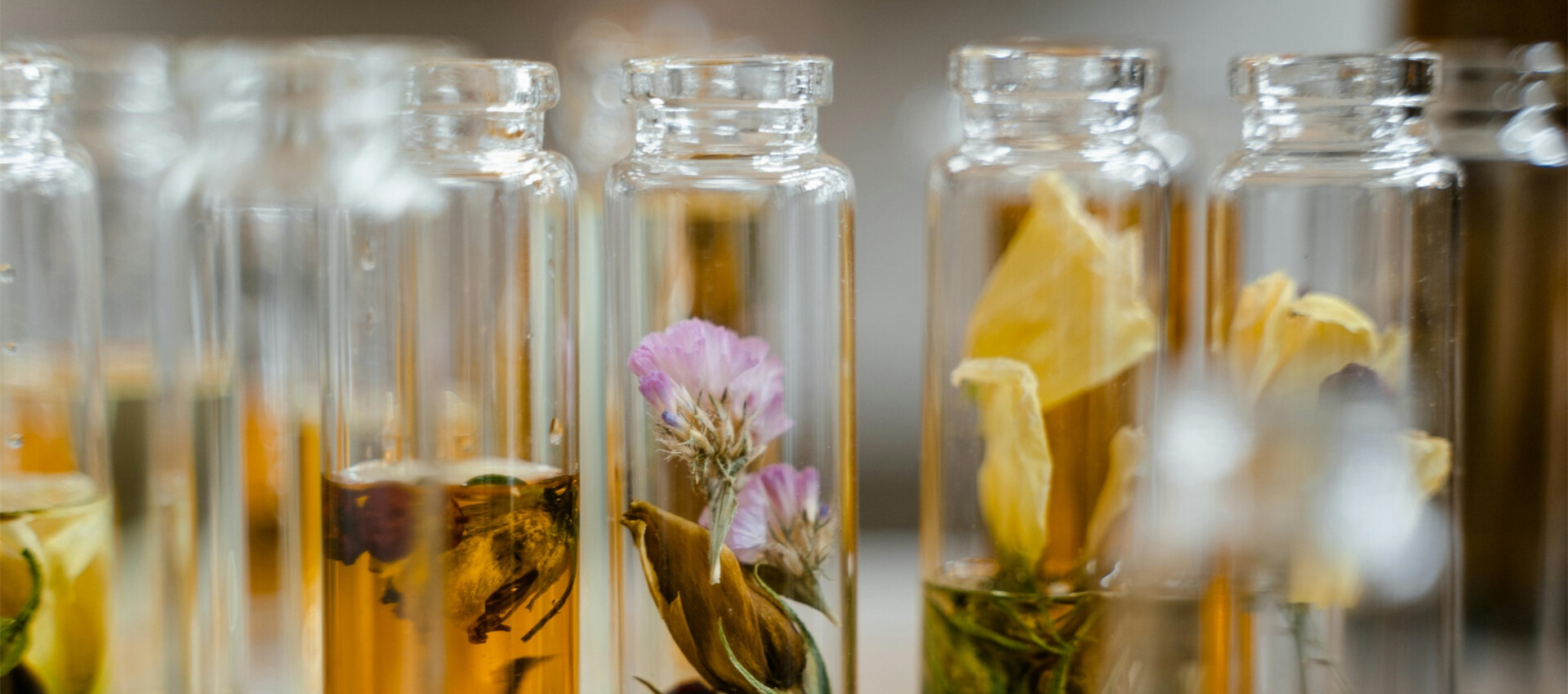
1. Conceptualization: The first step in creating a perfume is to establish the concept or inspiration behind the fragrance. This could be a specific theme, mood, or even a particular ingredient that the perfume will revolve around.
2. Formulation: Once the concept is established, the perfumer will begin the process of formulating the fragrance. This involves selecting and blending various essential oils, aroma chemicals, and other ingredients to create the desired scent.
3. Testing: After formulating the initial fragrance, it is essential to test the scent to ensure it meets the desired profile. This may involve multiple rounds of testing and adjustments to achieve the perfect balance of top, middle, and base notes.
4. Dilution: Once the final fragrance is approved, it is diluted with alcohol or a carrier oil to create the finished perfume. The concentration of the fragrance oils will determine the strength of the perfume.
5. Packaging: The final step in creating a perfume is to package the product. This involves selecting a suitable bottle, designing a label, and ensuring the packaging is both attractive and functional.
Throughout the entire process, it is essential to maintain strict quality control measures to ensure the final product meets all regulatory standards and consumer expectations. Each step requires attention to detail and a keen sense of smell to create a perfume that is both unique and appealing to the target audience.