
How To Select Fragrance Essential Oil
1. Understand Your Preferences
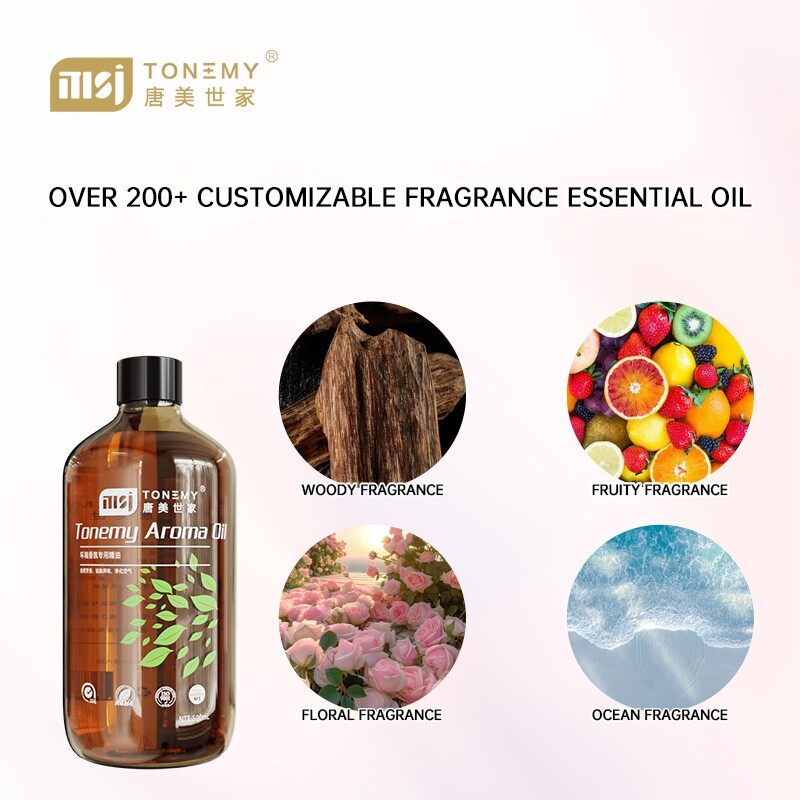
When selecting essential oils, start by considering what types of scents you naturally enjoy. Do floral fragrances like jasmine or rose appeal to you? Or maybe you prefer the refreshing and zesty notes of citrus oils like lemon and orange. Perhaps the earthy, grounding aromas of cedarwood or sandalwood are more your style.
Next, identify the primary purpose of using essential oils. Are you seeking relaxation, a boost in energy, or to purify the air in your home? For instance, lavender and chamomile are renowned for their calming properties, while peppermint and lemon are invigorating. Eucalyptus and tea tree oils are excellent choices for your space.
2. Quality Matters
Quality is paramount, Ensure that you are purchasing 100% pure essential oils, devoid of synthetic additives or fillers. Look for labels indicating "therapeutic grade" or "pure essential oil," which are markers of authenticity.
Investigate the brand’s sourcing practices. Use organic or sustainably sourced ingredients often produce higher quality oils. This information is usually available on the brand’s website or product description.
3. Packaging
The packaging of essential oils is not just about aesthetics; it plays a critical role in maintaining the oil's quality. Essential oils should be stored in dark glass bottles to protect them from light, which can degrade their quality. Avoid oils packaged in plastic bottles, as the plastic can interact with the oil.
The bottles are properly sealed, because the sealed bottle prevents contamination and evaporation, maintaining the integrity of the oil.
4. Pricing
While high-quality essential oils can be more expensive, this is often reflective of their purity and sourcing. Be cautious of extremely low-priced oils, as they might be diluted or synthetic. Investing in quality oils ensures that you reap the full benefits of aromatherapy.
5. Brand Reputation
Take the time to research different brands. Read reviews and seek recommendations to find reliable products. Established brands with a good track record often provide detailed information about their oils, including their extraction methods and sourcing.
Transparency is main key. The Brands is open about their processes are more likely to offer high-quality products.
6. Blends vs. Single Oils
Decide whether you want to start with single essential oils or pre-blended options. Single oils allow you to familiarize yourself with each scent and its effects, which is especially helpful for beginners. On the other hand, pre-blended oils are convenient if you’re looking for specific therapeutic benefits without the hassle of mixing. Just ensure that these blends do not contain synthetic fragrances.
7. Scenting Experience
If possible, test the oils before purchasing. The fragrance can vary significantly between brands, and your personal preference is crucial. Many stores offer testers or sample sizes, allowing you to try different scents without committing to a full bottle.
8. Safety Considerations
Safety is crucial when using essential oils. If you plan to apply oils topically, always conduct a patch test to check for any adverse reactions, as some oils can cause irritation.
Be mindful of the oils you use around children and pets, as certain essential oils can be harmful to them. Research which oils are safe for your household to avoid any potential health risks.
Conclusion
Selecting the right essential oils involves a thoughtful process of understanding your preferences, prioritizing quality, and considering the brand's reputation. By following these guidelines, you can enhance your aromatherapy experience, whether you're seeking relaxation, invigoration, or simply a pleasant atmosphere.
Welcome To Visit Our Website: http://www.tonemy.com/
E-mail: yanvy@tonemy.com